Where lightning strikes
About 44 strikes every second, and some places get far more than their share. Satellites now watch it all from space.
The whole planet
Lightning hits somewhere on Earth’s surface about 44 times every second: nearly 1.4 billion strikes a year. Met Office: Thunder and lightning · checked 27 Oct 2026
The lightning capital
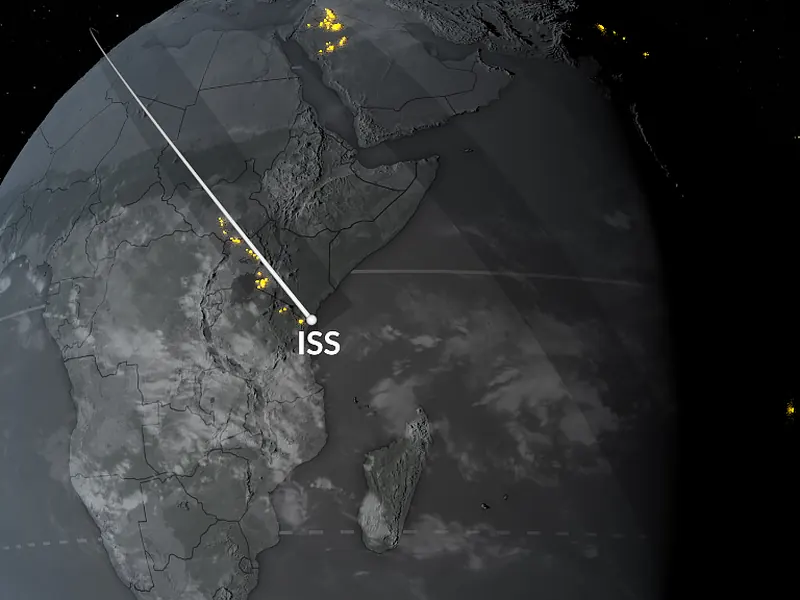
Lake Maracaibo in Venezuela is Earth’s lightning capital, with an average of about 233 flashes per square kilometre per year (NASA, from 16 years of satellite data). NASA: Earth’s new lightning capital revealed · checked 27 Oct 2026 Lake Maracaibo averages 297 night-time thunderstorms a year, peaking in September. NASA: Earth’s new lightning capital revealed · checked 27 Oct 2026
Africa has the most lightning hotspots of any continent: six of the world’s top ten. NASA: Earth’s new lightning capital revealed
The United States
Lightning strikes the United States about 25 million times a year. National Weather Service: Lightning safety · checked 27 Oct 2026
In the US, the central Florida peninsula, from Tampa Bay to Cape Canaveral, has the highest concentration of lightning. NOAA JetStream: Lightning FAQ
The UK
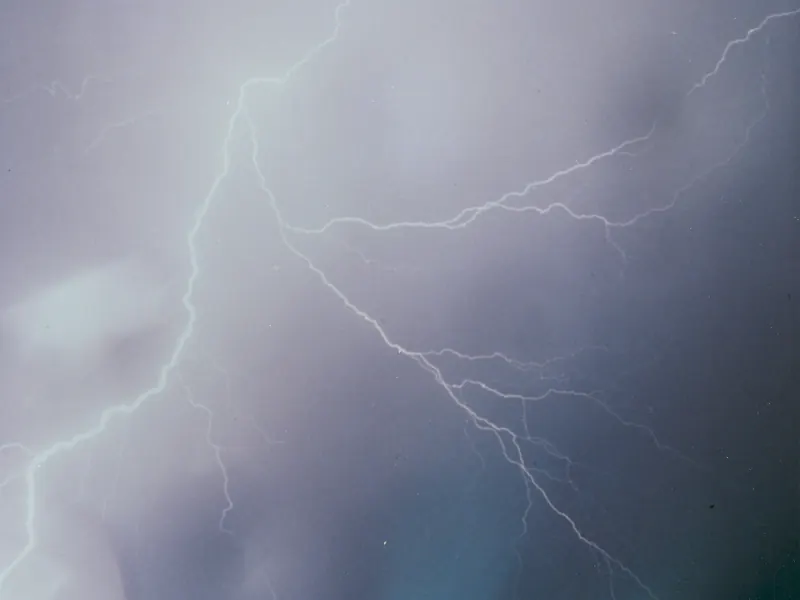
In the UK, thunderstorms are most common over the East Midlands and the south-east. Met Office: Thunder and lightning In the UK, thunderstorms can happen at any time of year, but the most severe usually come in summer. Met Office: Thunder and lightning
Lightning sends out pulses of radio waves called sferics. The Met Office’s LEELA system detects them to locate lightning strikes. Met Office: Thunder and lightning
Watching from space
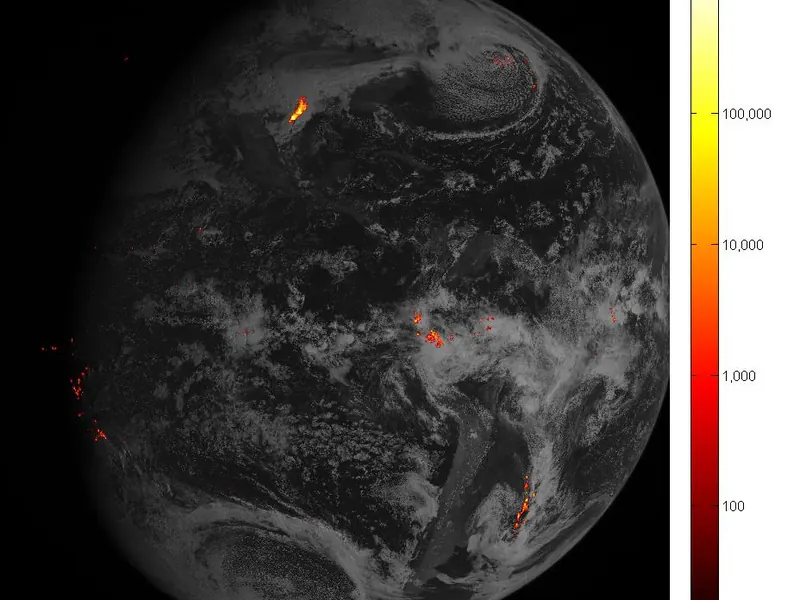
From space, NOAA’s Geostationary Lightning Mapper updates every 20–60 seconds. Weather radar updates roughly every 5 minutes. NOAA NESDIS: Geostationary Lightning Mapper · checked 27 Oct 2026
NASA’s Lightning Imaging Sensor spotted lightning from orbit by watching a narrow band of near-infrared light around 777 nanometres, even in bright daytime. NASA: Earth’s new lightning capital revealed
NOAA’s satellite team says lightning can strike ground as far as 100 miles from a thunderstorm. NOAA NESDIS: Geostationary Lightning Mapper
The human cost
Lightning kills about 20 people in the United States each year. National Weather Service: Lightning safety · checked 27 Oct 2026 US lightning deaths in 2026 so far: 16 (National Weather Service preliminary figure, last updated 22 Sep 2026). National Weather Service: Lightning fatalities · checked 27 Oct 2026
The National Weather Service puts the odds of being struck in an 80-year lifetime at 1 in 15,300, based on averages for 2009–2018. National Weather Service: How dangerous is lightning? · checked 27 Oct 2026
Only about 10% of people who are struck by lightning are killed, leaving 90% with various degrees of disability. National Weather Service: How dangerous is lightning? · checked 27 Oct 2026
Yearly figures change; each one shows the date we checked it.
Next: myths vs facts →